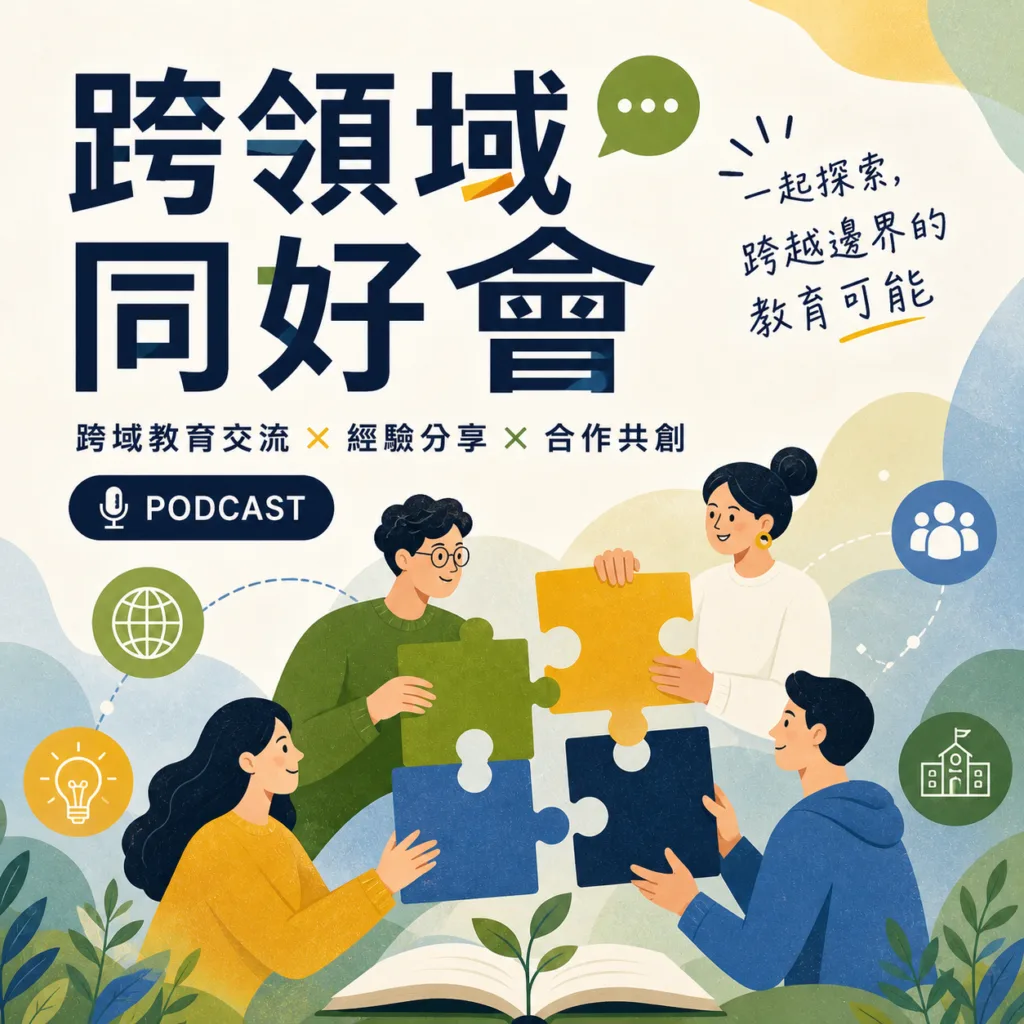
本集《跨領域同好會》中,Alex 分享了 2025 年前往芬蘭教育創新機構 HundrED 的實務經驗,從教育單位的視角出發,探討組織之間如何串聯、形成教育生態系。他觀察到,教育創新者面對的問題往往環環相扣,卻受限於單一組織的使命邊界與資源天花板。這也是他想藉由 HundrED 的經驗回答的核心問題:當「創新的意願」遇上「資源的限制」,我們該如何跨越組織邊界,找到能一起撐起影響力的夥伴?HundrED 本身就是一個「以生態系為中心」的實踐案例——不到十人的核心團隊,服務對象卻涵蓋全球 5,000 個組織與 900 多位評審。
根據他的分析,這背後依靠的是一套三層支持系統:第一層建立教育創新的資料庫,讓各地資源得以被彼此發現;第二層透過獎項認可提升團隊公信力,進而打開與政府及其他單位的合作機會;第三層則建立互助社群,讓組織之間能夠相互支援。為了深入理解這套生態系的運作方式,他訪談了 20 位利害關係人,並據此繪製系統圖。他從中歸納出三個發現,恰好與三層支持系統一一對應:國際背書能為學校教師爭取資源提供正當性;HundrED 的價值轉譯幫助地方組織跨越語言與資源的鴻溝,讓小組織也能對接主流體系;互助社群則讓教育創新者不再孤立,找到得以持續前行的心理支撐。
Alex 最後以 HundrED 的經驗為鏡,提出台灣可以借鑑的方向:辨識自身在生態系中的位置、共同建立基礎設施與資源、持續實驗與試錯。他以一句話作結——「這不是要你放下自己的使命,而是讓你的使命走得更遠。」教育創新不只需要以學習者為中心,更需要以生態系為中心。
In this session of The Misfit Disciplines Club, Alex shared insights from his 2025 visit to HundrED, a Finland-based global education innovation organization. Drawing from the perspective of educational practitioners and institutions, he explored how organizations can connect with one another to form sustainable educational ecosystems.
Alex observed that many of the challenges faced by education innovators are deeply interconnected, yet often constrained by the mission boundaries and limited resources of individual organizations. This led to the central question behind his reflection on HundrED’s model: when the desire to innovate meets the reality of limited resources, how can organizations move beyond their own boundaries and find partners capable of sustaining impact together?
HundrED itself offers a compelling ecosystem-centered example. With a core team of fewer than ten people, the organization supports a global network of over 5,000 organizations and more than 900 reviewers worldwide.
According to Alex, this impact is made possible through a three-layer support system. The first layer is a global database of educational innovations that allows ideas, projects, and resources to become discoverable across regions and communities. The second layer builds credibility through international recognition and awards, helping educational teams gain visibility and open doors to collaboration with governments and institutions. The third layer focuses on community-building, creating peer support networks where organizations can learn from and support one another.
To better understand how this ecosystem operates, Alex interviewed 20 stakeholders and mapped the relationships and interactions within the system. From these conversations, he identified three key findings that closely aligned with the three support layers. First, international recognition can provide teachers and schools with the legitimacy needed to secure local resources and support. Second, HundrED’s ability to translate and contextualize educational value helps smaller organizations bridge language, cultural, and resource gaps, allowing them to connect with larger systems. Third, peer communities help education innovators feel less isolated by offering emotional encouragement and long-term support.
Alex concluded by reflecting on what Taiwan might learn from the HundrED experience: understanding one’s role within the ecosystem, co-building shared infrastructure and resources, and continuing to experiment through iteration and trial-and-error. He ended with a simple but powerful message: “This isn’t about giving up your mission — it’s about helping your mission go further.”
Educational innovation, he emphasized, should not only be learner-centered, but ecosystem-centered as well.
跨領域同好會The Misfit Disciplines Club|ATTE ft. MOE Cross Disciplinary Bachelor Program