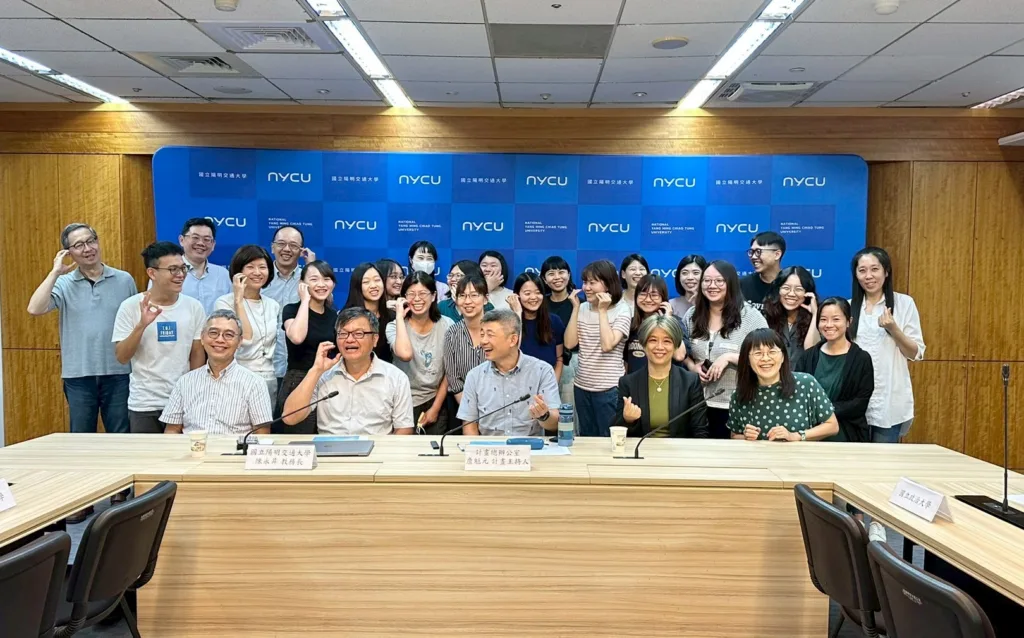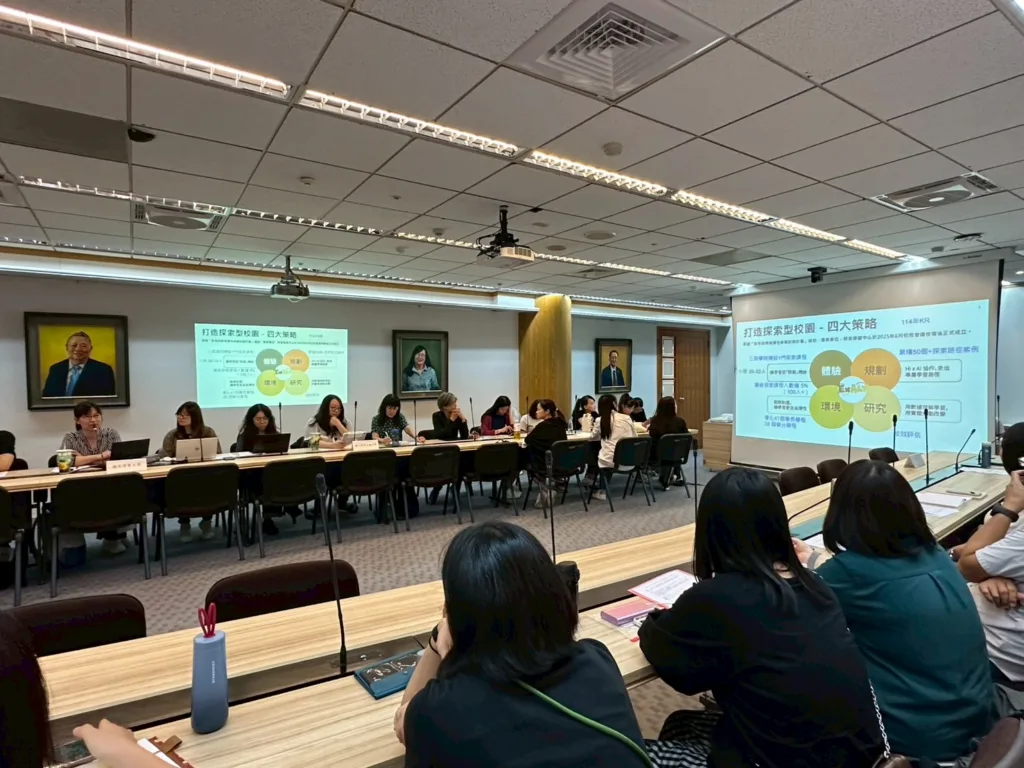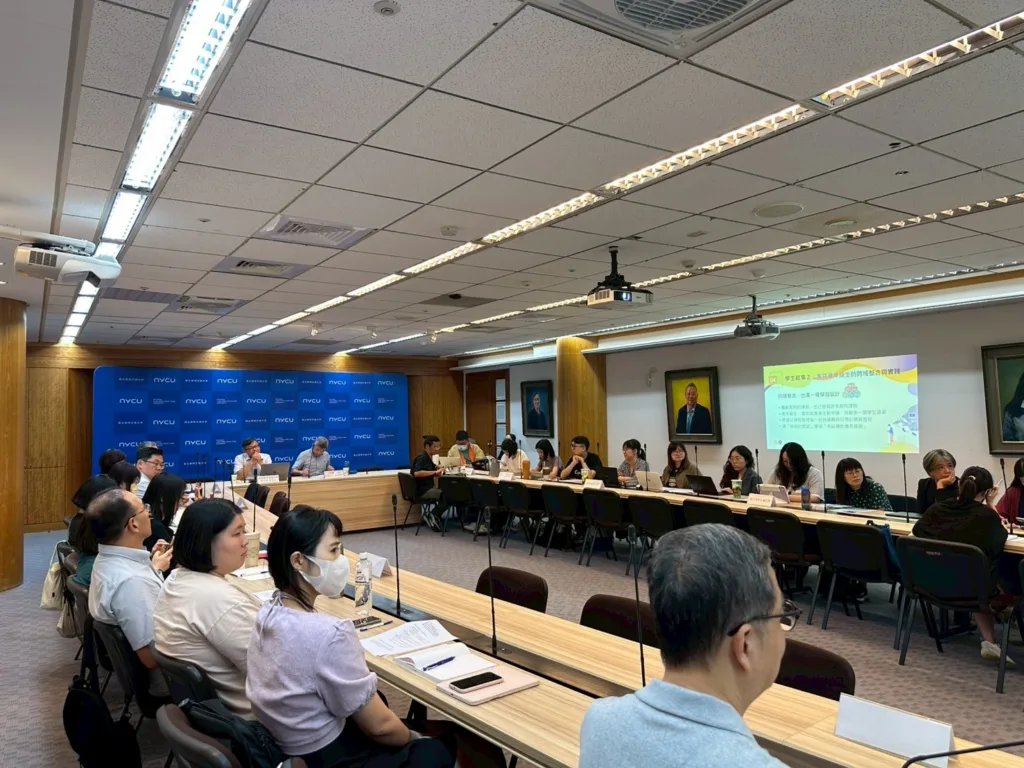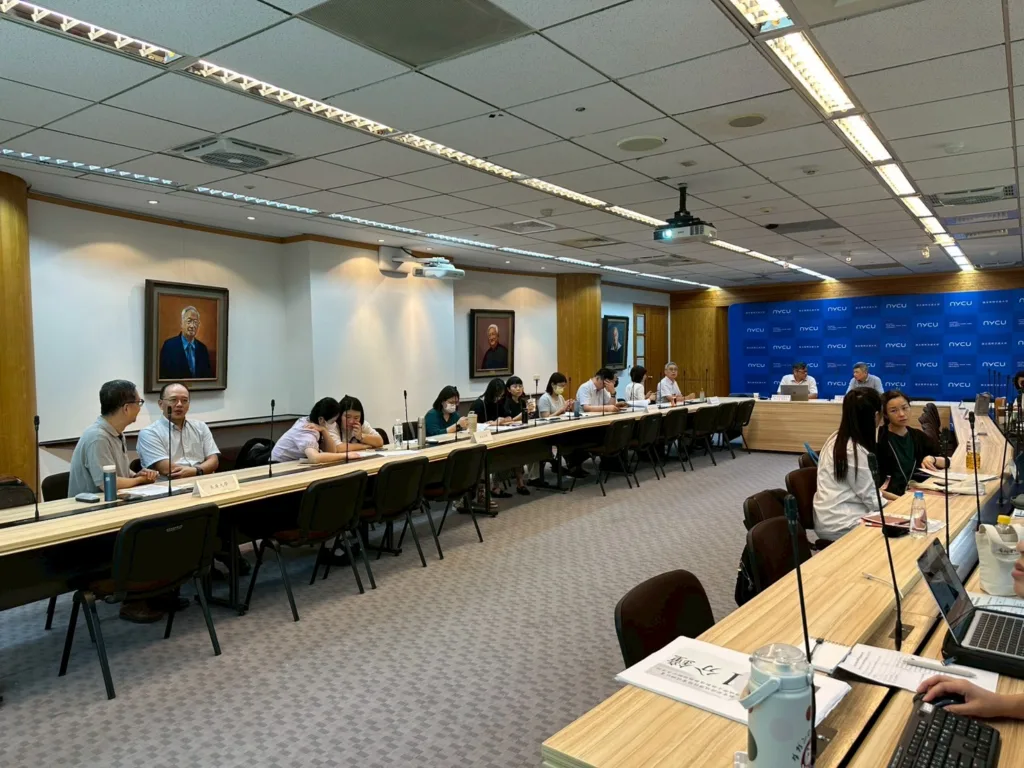
「跨領域學士推動進程與經驗分享座談會」於2025年7月3日舉行,由教育部委辦之「跨域彈性修業試辦計畫」總辦公室主辦,並由國立陽明交通大學協辦。活動聚焦跨域學士制度啟動後的實務經驗與推動挑戰,邀集八所計畫執行學校代表分享制度推動現況與亮點作法,並特別邀請國立臺灣大學共同教育中心線上參與,分享其多年推動跨域學士制度的經驗與具體建議,透過跨校對話,為後續制度精進與推廣奠定交流基礎。
The “Cross Disciplinary Bachelor Program Advancement and Experience Sharing Forum” was held on July 3, 2025, organized by the Ministry of Education’s Pilot Project Office for Flexible Interdisciplinary Studies and co-hosted by National Yang Ming Chiao Tung University. The event focused on the implementation challenges and practical experiences since the launch of the interdisciplinary degree system. Eight participating universities shared current progress and key initiatives, while National Taiwan University’s Center for General Education joined online to present its long-standing experience and concrete recommendations. The cross-institutional dialogue laid the groundwork for future development and promotion of the program.
八所學校推動現況與亮點摘要:
國立陽明交通大學:以「校自學學士」為名推動制度,強調學生自主學習與主題式課程組合,並設立學士學位委員會專責審查,組織上設於跨院學程推動辦公室。目前已有6位學生通過申請,規劃主題涵蓋太空科技、醫學與資訊整合、科技法律等,展現高度跨域潛能。學生跨校區修課、主動連結聯盟課程與師資的學習動能,亦獲校方高度肯定。
National Yang Ming Chiao Tung University has launched its program under the title “Self-Directed Interdisciplinary Program”, emphasizing student-driven learning and theme-based course clusters. A dedicated Bachelor’s Degree Committee oversees reviews, under the Cross-College Program Promotion Office. Six students have already been approved, with themes covering space technology, integrated medical-informatics, and tech law, showcasing strong interdisciplinary potential. The university also commended students for cross-campus course engagement and proactive connection with alliance courses and faculty.
國立成功大學:辦理兩場說明會後,超過40位學生進行諮詢,已有8位提出申請,現正進入書審與面談程序。學生申請動機明確,多關聯未來職涯發展,常見整合領域包括工程、商業與心理應用,校方亦積極擴充相關課程資源,以滿足學生多元需求。
National Cheng Kung University hosted two information sessions, receiving inquiries from over 40 students, with 8 having submitted formal applications. The review and interview process is underway. Applicants have clear motivations tied to future career paths, commonly integrating engineering, business, and psychology. The university is also expanding course offerings to support these interdisciplinary needs.
國立政治大學:由「X實驗學院」統籌推動,建構跨域模組與學生申請小幫手,創新應用AI與實境解謎遊戲,提升制度能見度與參與度。今年共43人申請,並成功動員56位教師參與審查。推廣策略上結合範例引導、校友對談與社群行銷,形成高參與、創意導向的推動樣態。
National Chengchi University is spearheading the initiative through the “Xperimental College”, establishing interdisciplinary modules and a student-friendly application toolkit. They’ve innovatively integrated AI and immersive puzzle-based games to raise engagement and awareness. This year, 43 students applied, with 56 faculty members participating in the review. Their promotional strategy combines role models, alumni dialogues, and social media marketing to foster an active and creative learning environment.
國立臺灣師範大學:設置舒適的諮詢空間與專責推動團隊,建立學生學習地圖與分階段輔導機制,迄今已有13位學生通過申請。審查過程強調多元性與後續輔導的延續性,未來亦將開設專題探究課程,協助學生整合跨域成果,並逐步推動跨領域學習社群的建構與實踐。
National Taiwan Normal University provides a supportive advising environment and a dedicated promotion team. It has established student learning roadmaps and a phased mentorship mechanism, with 13 students approved to date. The review emphasizes diversity and continuity in support. Future plans include launching research-focused courses and developing interdisciplinary learning communities.
東吳大學:以人文、法政與商管為核心領域,因應AI與半導體等新興趨勢,學生展現強烈的跨域學習動機。校方成立跨領域教育中心統籌推動,目前已有21個系所釋出共計290門課程,涵蓋基礎、進階與總結三類課程。學生須完成一個包含四個課程模組的領域專長,每模組皆涵蓋三層次課程,形成具深度與系統性的學習架構。校方期盼藉此促進學生自主探索,並強化校務發展的永續動能。
Soochow University centers its interdisciplinary focus on humanities, law, and business, while responding to emerging trends such as AI and semiconductors. The university has established a Cross-Disciplinary Education Center and released 290 courses across 21 departments, categorized into foundational, intermediate, and capstone levels. Students must complete one specialization area composed of four course modules, each with three tiers of learning. This structure supports deep, systematic learning and aims to encourage student exploration and sustainable institutional development.
長庚大學:以「學習規劃辦公室」為推動中樞,新增40個12至15學分的領域專長模組,並結合原有轉系與輔系制度,逐步建構完整的彈性修業路徑。本次申請案例中,有學生整合工程設計、數位敘事與永續議題,展現跨域整合的創新潛力。管理學院院長亦表達高度支持,期盼學生未來能在本專業基礎上,進一步修習校學士或院學士,朝雙學位方向發展。
Chang Gung University anchors the initiative through its Office of Learning Planning, introducing 40 new specialization modules (12–15 credits each). These are integrated with existing transfer and minor systems to build a flexible academic pathway. In recent cases, students have combined engineering design, digital storytelling, and sustainability themes—demonstrating strong integrative potential. The Dean of the College of Management expressed full support, encouraging students to pursue school- or college-level bachelor’s programs toward dual degrees.
國立中央大學:由教務長親自領導推動跨域學士制度,建構以領域模組為核心、每模組至少含一門實習或實作課之架構。本次申請案共7位學生提出規劃,申請書完整且無退件情形,並採三階段、32位教師參與審查,展現審慎專業的審查機制。學生亦展現高度自主性與整合能力,如有學生結合電機、資工與品牌行銷領域規劃跨域專長,顯示制度初步落實並具潛力。
National Central University has its provost leading the interdisciplinary bachelor’s initiative, designing a framework based on domain-specific modules, each requiring at least one practicum or applied course. In the latest application round, 7 students submitted complete proposals—all approved without rejection. A rigorous three-stage review involved 32 faculty members. Students showcased strong initiative and integration ability, with cases combining fields like electrical engineering, computer science, and branding—reflecting the system’s early success and future promise.
國立清華大學:以「探索生成式清華」為名推動跨領域學士方案,整合清華學院與探索學習中心資源,建構完整的跨域學習生態系。方案導入探索課程、學習規劃師與 AI 選課機器人,引導學生自主規劃學習路徑,並建置41個專長模組與多項探索性課程。透過三級三審制度,將原任務編組轉型為正式校級單位,制度化推動跨域學習。首屆甄選出16位學生參與,並搭配學期檢核與畢業製作機制,強化實作導向的學習歷程。
National Tsing Hua University launched its program under the theme “Generative Exploration @ Tsing Hua,” integrating resources from the Tsing Hua College and the Center for Exploratory Learning to form a comprehensive interdisciplinary ecosystem. The program incorporates exploratory courses, academic advisors, and an AI-based course selection bot to support student-directed pathways. With 41 specialization modules and various exploratory offerings, the initiative has institutionalized interdisciplinary learning through a three-tiered review process. It was recently elevated from a project team to an official university unit. Sixteen students joined the inaugural cohort, supported by semester evaluations and a final capstone project.
國立臺灣大學共同教育中心劉文清副主任於會中線上分享校學士制度推動歷程,針對審查機制、導師制度與制度優化方向提出具體經驗與建議:
Dr. Wen-Ching Liu, Associate Director of the Center for General Education at National Taiwan University (NTU), joined the session online to share NTU’s institutional practices and insights on the interdisciplinary bachelor’s degree system. She addressed review procedures, mentorship design, and ongoing improvements, offering the following observations:
- 審查制度與申請機制優化
臺大自推動校學士制度以來已邁入第四屆,隨著申請人數逐年增加,審查流程亦不斷調整與優化。每位申請學生須檢附四個領域專長,對應由四位教師分別進行初審。然而實務上時有審查意見未能具齊的情況發生,若最終未能完全取得初審意見(0至4件皆有可能),則由複審委員全權處理該案。為平衡教師負擔與提升審查品質,今年已調整每位初審委員最多審5案、複審委員最多審8案。另配合制度推廣與教師培力,臺大亦提供簡報、說明文件與影音資源,協助審查委員快速理解制度精神。1. 1. Optimizing Review and Application Mechanisms
Now in its fourth cycle, NTU’s interdisciplinary bachelor’s program has seen growing applications. Each student submits four domain specializations, each reviewed by a separate faculty member. However, it’s common for some reviews to be incomplete (ranging from zero to four received). In such cases, a secondary reviewer assumes full responsibility. To balance workload and improve quality, the university now caps review assignments at five for primary and eight for secondary reviewers. NTU also offers presentations, documentation, and video materials to guide reviewers and promote institutional alignment. - 輔導機制與導師制度建構
臺大積極推動導師制,由審查委員、核心導師群或學生自薦教師擔任指導導師,並視實務情況靈活調配,兼顧專業契合與師生熟悉度。每位導師提供微薄酬勞,並可參與定期座談、主題活動及於「校學士基地」空間與學生互動,建構穩定支持網絡,減少跨域學生的孤立感。
2. Building an Advisory and Mentorship System
NTU encourages reviewers, a core mentor group, or student-nominated faculty to serve as advisors. The system ensures flexibility while fostering alignment in expertise and familiarity. Mentors receive a small honorarium and participate in regular meetings, themed events, and interactions at the “Interdisciplinary Bachelor’s Base,” creating a strong student support ecosystem and reducing isolation. - 課程支援與共同體建構
臺大已開設多門校學士專屬課程,包括「專題研究」、「學士論文」等一對一指導型課程,以及跨生師交流的「專題討論課」,鼓勵學生在實作與發想中深化跨域能力,同時促進校學士群體的凝聚與互助。
3. Curriculum Support and Community Building
NTU offers exclusive courses for interdisciplinary bachelor’s students, such as individual research projects and thesis supervision, alongside seminar-style discussion classes that foster peer and faculty exchange. These offerings promote deeper interdisciplinary thinking and strengthen the identity and collaboration of this student cohort. - 未來制度調整方向
面對申請資料填寫錯漏的常見狀況,臺大規劃增設格式明確、指引清晰的檢查表,並強化官網與說明會說明內容,使學生能充分理解作業規範。未來亦將持續簡化行政流程,兼顧申請品質與行政負擔平衡,提升整體運作效能。
4. Future Directions for System Enhancement
To address frequent issues in incomplete applications, NTU plans to introduce clear checklists and illustrated guidelines. Website content and briefing sessions will be improved to help students better understand the procedures. Administrative workflows will also be simplified, aiming to balance application quality with operational efficiency.
本次座談為跨領域學士制度啟動後首次實務經驗交流,展現各校在制度設計、課程模組、學生輔導與推廣策略上的多元創新與實踐成果。從國立陽明交通大學的主題式自主學習、國立政治大學的創新推廣、國立清華大學的探索課程生態系,到國立臺灣大學的制度化審查與導師機制,均反映跨域學士制度在各校已逐步深化,並建立起支持學生自主學習與跨域整合的制度基礎。隨著更多實務經驗累積與跨校交流擴展,未來跨域學士制度將更具前瞻性與永續性,持續引領高等教育向靈活開放、以學生為核心的學習型轉型邁進。
Conclusion
This event marks the first hands-on exchange since the launch of the interdisciplinary bachelor’s degree initiative. Participating institutions demonstrated innovative strategies in program design, curriculum planning, student advising, and outreach. From NYCU’s theme-based autonomy to NCCU’s creative engagement tactics, NTHU’s exploratory ecosystem, and NTU’s formalized systems, it’s clear that the interdisciplinary model is steadily taking root. As more experiences are shared and cross-campus collaboration grows, the system is set to evolve into a forward-looking and sustainable model—leading higher education toward a flexible, student-centered transformation.